

Awal Muharram 2026 Singapore (the Islamic New Year) lands on Wednesday, 17 June 2026, marking the beginning of the Hijri year 1448 AH! We don’t get a public holiday in Singapore like Malaysia does. However, it remains a beautiful time for reflection and renewal. Whether you are a local Muslim or just curious, this day holds great meaning.
Here are 3 interesting things everyone should know about the Islamic New Year!

What is The Meaning of Awal Muharram?
“Awal” means beginning and “Muharram” is the opening month of the Islamic calendar, making this day the Islamic New Year. It is also widely known as Maal Hijrah. The word Hijrah comes from Arabic, meaning to move or emigrate. In the Islamic faith, Muharram holds immense spiritual weight and is revered as the second holiest month of the year, surpassed only by the holy month of Ramadan.
Unlike modern New Year celebrations defined by loud fireworks and countdowns, Awal Muharram is traditionally a quiet, reflective period. Historically, it was one of the sacred months where all fighting and warfare were strictly forbidden, creating a safe space for peace, community bonding, and deep personal reflection.
The historical background of this day dates back to the year 622 AD. It honors the pivotal migration of Prophet Muhammad and his early followers, who fled intense persecution in Mecca. When word spread that there were active plots to execute the Prophet, he made the monumental decision to relocate the Muslim community to a town located 320 kilometers north of Mecca called Yathrib. This town was later renamed Medina, which beautifully translates to “the city.”
Decades later, in 638 AD, a close companion of the Prophet named Umar ibn Al-Khattab officially introduced the Islamic calendar, choosing this historic migration as the ultimate starting point for Year 1.
Sunnah to be Practiced Throughout Muharram Month
In this blessed month, even the smallest kind acts unlock immense spiritual rewards. Ready to make the most of it? Here are 3 sunnah you can practice.
1. Recite Doa End of Zulhijjah
Romanization:
Bismillāh-hir-rahmāni-rahīm
Alhamdulillāhi Robbil ‘ālamīn, wassolātu wassalāmu ‘alā sayyidinā Muhammad, wa ‘alā ālihī wasohbihi ajma’īn.
Allāhuma mā ‘amilnā fī hazihis-sanati mimmā nahaitanā ‘anhu falam natub minhu, walam tardhohu walam tansahu wa-halumta alainā ba’-da qudro-tika ‘alā uqūbatinā, wa da’autanā ilat-taubati minhu ba’da jarā-atinā ‘alā ma’siyatik, fa-innanā nastaghfiruk faghfirlanā, wa-mā ‘amilnā fī-ha mimmā tar-dhohu, wa wa’ad-tanā ‘alaihi thawāb, fanas-alukallāh-humma ya kareem ya zhal-jalāli wal-ikrom an tataqobbalahū minnā walā taqta’ rajā-anā minka ya kareem.
Robbana ‘atina fid-dunya hasanah wa fil-akhirati hasanah wa-qina ‘azaban-nār.
Wa sallāllohu wasallam ‘alā sayyidinā Muhammad wa ‘alā ālihi wa sohbihi ajma’īn walhamdu-lillahi robbil ‘ālameen.
Meaning:
In the name of Allah The Most Merciful, The Most Compassionate.
All praises be to Allah, Lord of all the worlds. Peace and blessings upon our Prophet Muhammad, and upon his family and Companions. O Allah, for all the prohibited deeds that we have acted upon this year, of which we have yet to repent from and which You do not consent nor forget them. Yet You remained Merciful despite Your authority to punish us, and even inspired us to repent after doing these sins in insolence. So we seek forgiveness from You, so please forgive us. And for what we have done of which You are consent of, and which You have promised to reward us for, we ask from You, O Allah the most Gracious, the Most Glorious and Most Honourable, to accept our actions, and do not dash our hopes, O Most Gracious.
O our Lord, grant us goodness in this world and goodness in the Hereafter, and protect us from the torment of the hellfire. Peace and blessings upon our Prophet Muhammad and upon his family and Companions. Praise be to Allah Lord of all the worlds.
2. Recite Doa Awal Muharram
Romanization:
Alhamdulillāhi Robbil ‘ālamīn, wassolātu wassalāmu ‘alā sayyidinā Muhammad, wa ‘alā ālihī wasohbihi ajma’īn.
Allahumma antal-Abadiyyul-Qodīmul-Awwal, wa ‘ala fadhlikal-Azhim wa jūdikal mu-awwal, wa haza ‘āmun jadidun qod aqbala ‘alainā. Nas’alukal ‘ismata fīhi minassyaitān-nirrojīm wa awliyā-ihi wa junūdih, wal ‘auna ‘alā hazihin-nafsil ammārati bissū’, Wal-ishtigholi bimā yuqorribunā ilaika zulfa. Ya zhal-jalāli wal-ikrom.
Wa sollallāhu wasallama ‘alā sayyidinā Muhammad wa ‘alā ālihi wa sohbihi ‘ajma’īn wal-hamdu lillāhi robbil ‘ālamīn.
Meaning:
In the name of Allah The Most Merciful, The Most Compassionate.
All praises be to Allah, Lord of all the worlds. Peace and blessings upon our Prophet Muhammad, and upon his family and Companions.
O Allah, You are The Everlasting, The Pre-Eternal, the First, to Your great blessings and generosity we rely upon, and this new year has arrived upon us, We seek from You protection from the cursed devil, his allies and forces. And we seek from You assistance to repel against the baser self’s urge to sin, And to immerse us with which that brings us closer to You. Peace and blessings upon our Prophet Muhammad and upon his family and Companions. And praise be to Allah Lord of all the worlds.
3. Fast During The Month
If you want to maximize your spiritual rewards, fasting is the way to go! The Prophet Muhammad (PBUH) declared Muharram to be the absolute best month to fast in, second only to Ramadan.
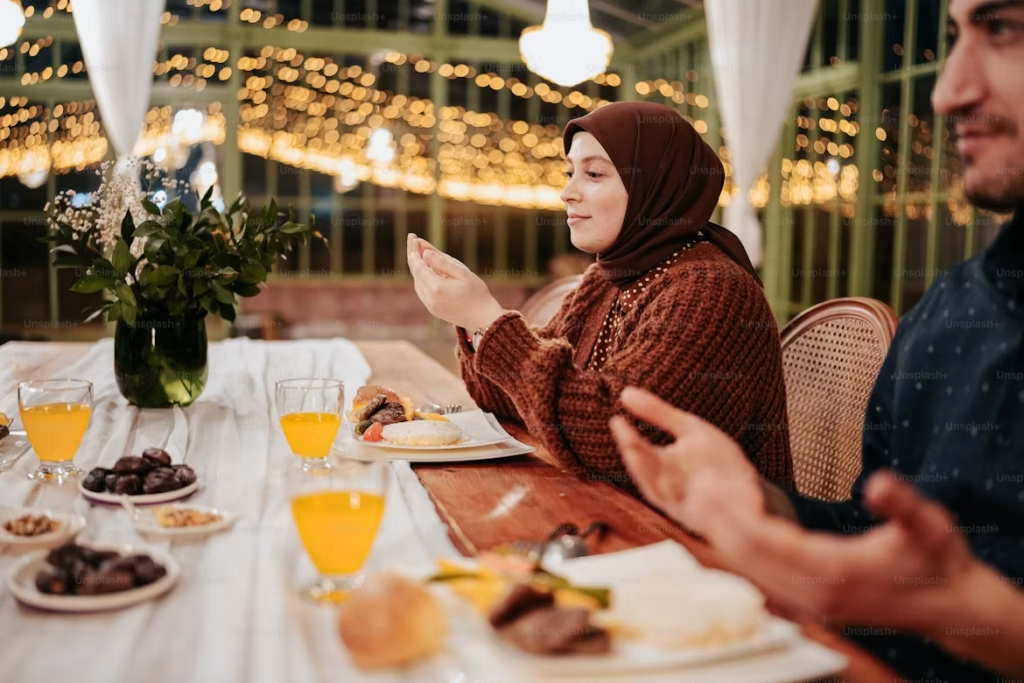
While you can fast on any day, these are specific dates for fasting in Muharram you should definitely mark on your calendar:
The Power Days to Fast:
- 9, 10, and 11 Muharram: The Prophet highly encouraged fasting across these three days.
- The Day of Ashura (10 Muharram): This is the ultimate highlight! Fasting on this specific day is traditionally believed to wipe away your minor sins from the entire previous year. Talk about a clean slate!
- Thursday, Friday, and Saturday: Some scholars also recommend fasting on these consecutive days during Muharram to gain even more spiritual rewards.
How the Islamic New Year is Celebrated in Singapore
Since it’s a regular working day for us here in Singapore, celebrations look a little different compared to a public holiday. There are no massive street parades—instead, the day is marked by beautiful, quiet community spirit and meaningful local traditions.

- Mosque Gatherings & Prayers: On the eve of the New Year, families gather at local mosques—like Masjid Al-Istiqamah—between Asar and Maghrib prayers. This is a peaceful time dedicated to reciting the special Year-End and New Year supplications (doa), alongside listening to uplifting religious lectures (tazkirah).
- Acts of Charity (Sadaqah): Since good deeds carry extra blessings this month, many Singaporeans give back to the community. Local organizations like Jamiyah Singapore make it easy to donate or volunteer for food distribution drives and outreach programs supporting the less fortunate.
- Family Reflections: Many families wrap up the day by sharing a meal at home. It’s a warm, intimate time to discuss personal resolutions, set spiritual goals, and pass down the historical stories of the Hijrah to the younger generation.
